
Choosing the right remodeling subcontractor is one of the most critical decisions in a kitchen or bathroom project. Hiring subcontractors with the right expertise ensures high-quality results, timely completion, and client satisfaction. Hiring the wrong subcontractor can lead to costly delays, compromised quality, and disputes that affect project timelines and your reputation.
Industry data shows that many remodeling projects face delays due to subcontractor issues — for instance, widespread labour shortages and subcontractor shortages are frequently cited as causes of project delays. Following proven general contractor tips is essential when hiring subcontractors for tile and finishing work.
Understanding the Role of a Remodeling Subcontractor
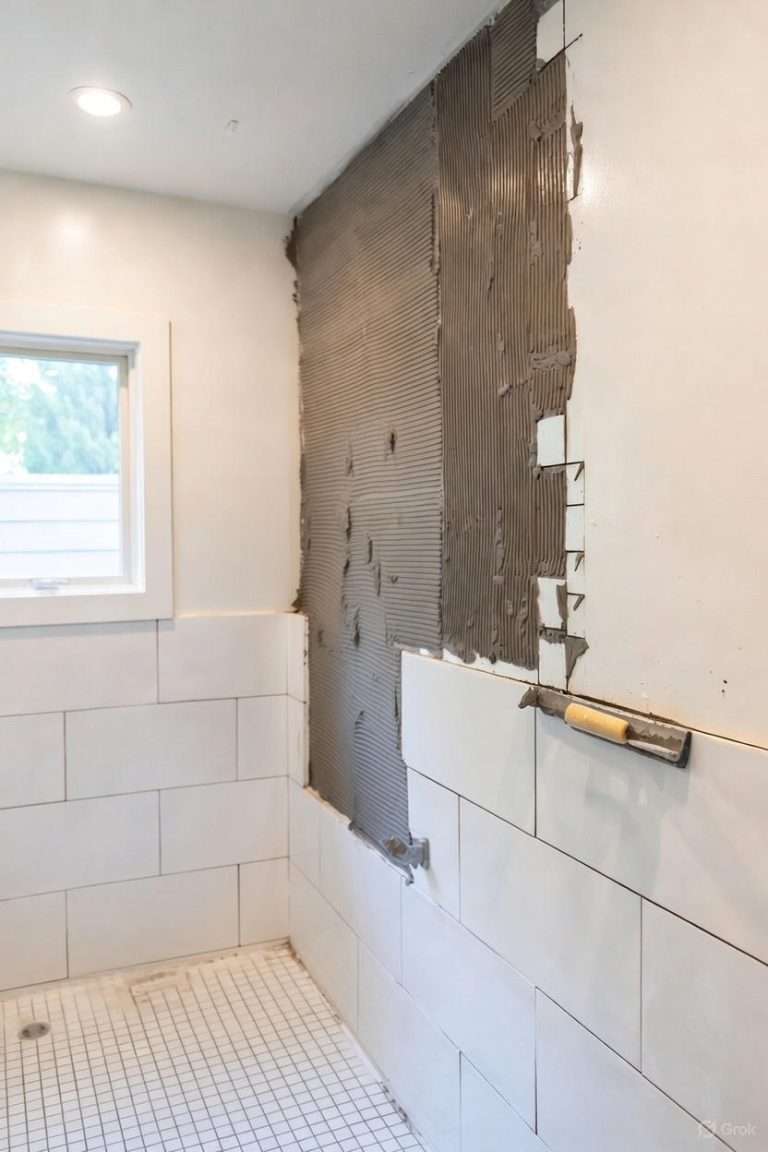
A tile and finish remodeling subcontractor is a professional or team hired to perform specific tasks in kitchen or bathroom remodeling. Unlike general contractors who oversee the entire project, remodeling subcontractors focus on their area of expertise: tile installation, surface preparation, and finishing work.
Responsibilities include:
- Installing wall and floor tiles (ceramic, porcelain, mosaic)
- Completing decorative and functional finishes
- Ensuring precise alignment, durable installation, and compliance with standards such as TCNA or manufacturer guides (e.g., Schluter®)
- Coordinating with other trades to maintain the project schedule
Types of Subcontractors in Kitchen and Bathroom Remodeling
When remodeling a kitchen or bathroom, the success of your project heavily depends on the specialized skills of your subcontractors. Each type of subcontractor brings expertise that ensures tasks are completed efficiently, on schedule, and to the highest quality standards. Understanding the roles of different subcontractors helps you make informed decisions when hiring subcontractors for your project.
Tile Installers – Responsible for installing floor and wall tiles, mosaics, backsplashes, and decorative elements. Their work requires precision, attention to detail, and adherence to industry standards for durability and alignment.
Finish Specialists – Handle surface preparation, final touches, sealing, and grouting. They ensure that tiles are properly finished, waterproofed where necessary, and aesthetically polished.
Surface Preparers / Leveling Experts – Focus on substrate preparation, leveling, priming, and waterproofing for tiles. Proper surface preparation is crucial to prevent future cracking, uneven tiles, or water damage.
Using a subcontractor checklist helps ensure you are hiring subcontractors who meet quality standards:
- Verify licenses and certifications (if required)
- Confirm insurance coverage
- Review portfolios of similar kitchen and bathroom projects
- Check references and past client feedback
By carefully selecting the right specialists and following a structured subcontractor checklist, you can avoid common pitfalls, maintain high-quality workmanship, and ensure that your kitchen or bathroom remodeling project runs smoothly from start to finish.
Key Considerations Before Hiring a Remodeling Subcontractor
Hiring the right subcontractor can make or break your remodeling project. General contractors should carefully evaluate potential subcontractors before signing any agreements.
Licensing and Insurance
Ensure the subcontractor has all necessary licenses and insurance. Licensed subcontractors comply with local regulations, while insurance protects against accidents or damage.
Tip: Always request current certificates and verify them.
Experience and Track Record
Review past projects similar in scope to assess quality. Experienced remodeling subcontractors handle challenges efficiently and minimize errors.
References and Reviews
Speak with previous clients about timeliness, professionalism, and quality. Verify online reviews for authenticity.
Checklist for references:
- Contact 2-3 past clients
- Ask about problem-solving and project challenges
- Confirm adherence to schedule and budget
Also, poor coordination, unclear scope of work, and lack of oversight when hiring multiple subcontractors often lead to subpar results, rework, or outright failure – a risk especially high when subcontractors aren’t properly vetted.
Structured Subcontractor Vetting Process
A clear subcontractor vetting process minimizes risks when hiring subcontractors:
- Initial screening: licenses, insurance, basic qualifications
- Interview and discussion of past projects
- Reference and review checks
- Review of contracts and scope of work
Criteria Example:
| Criteria | Good Subcontractor | Risky Subcontractor |
| Licensing & Insurance | Verified, up-to-date | Missing or expired |
| Experience | 5+ years in tile/finish work | Limited experience |
| References | Positive client feedback | Negative or unverifiable |
| Communication | Responsive, clear | Slow or unclear |
Using this subcontractor checklist and vetting process ensures you are hiring subcontractors who can deliver reliable results.
Legal and Contractual Essentials
Even the most skilled remodeling subcontractor cannot save a project without a clear contract. A solid agreement outlines responsibilities, schedules, and payment terms, providing protection against disputes and delays.
Key contract elements:
- Scope of Work: Specific tasks, materials, and responsibilities
- Timeline: Milestones and completion dates
- Payment Terms: Payment schedule, progress payments, retention
- Warranties: Guarantees on workmanship and material
- Lien Releases: Prevent liens on property due to payment disputes
Tip: Always ensure lien releases are signed as payments are made.
Cost and Budget Considerations
Managing costs is critical. Even experienced remodeling subcontractors can impact your budget if bids are not carefully evaluated.
Evaluating Bids:
- Compare experience and specialization
- Ensure the scope of work is clearly detailed
- Consider realistic timelines
Watch for Hidden Costs:
- Change orders for design modifications
- Unauthorized material upgrades
- Delays causing overtime
Cost vs. Experience Table:
| Contractor Level | Typical Rate (USD/hr) | Notes |
| Entry / basic | $50–$75 | Suitable for simple tile tasks; may carry higher risk of delays |
| Mid-level / standard | $75–$110 | Balanced cost-quality; reliable for typical bathroom/kitchen remodeling |
| Experienced / specialized | $100–$150 | Recommended for full remodels or complex tile installations |
Communication and Project Management
Even the best subcontractor relationships can fail without clear communication and organized project management. Misunderstandings are one of the top reasons remodeling projects experience delays.
Tips:
- Single Point of Contact: Assign one person to coordinate all subcontractors
- Regular Updates: Weekly or daily check-ins
- Documentation: Keep emails, messages, and change orders in writing
Project Management Tools:
- Buildertrend: Real-time updates on schedule and budget
- Procore: Centralized document management
- CoConstruct: Combines client communication with subcontractor coordination
Scheduling & Coordination
- Stagger tasks to avoid overlapping work
- Set milestones with clear deadlines
- Plan for contingencies like material delays
Flow Example:
Project Planning → Assign Subcontractors → Weekly Progress Check → Task Completion & Verification → Client Updates
Red Flags to Watch For
Even experienced general contractors can run into trouble if a subcontractor turns out to be unreliable. Recognizing the warning signs early can save time, money, and frustration.
Common Warning Signs
- Vague or incomplete bids
- Poor communication
- Negative or missing references
- Frequent schedule changes
- Unlicensed or uninsured work
Real-World Examples
- Tile delay due to unverified references, causing schedule slip
- Unauthorized material upgrades, increasing budget
- Poor waterproofing work requiring rework
Following a structured subcontractor vetting process and using a subcontractor checklist prevents these issues and ensures quality.
Industry reports such as the HBI Construction Labor Market Report highlight how labor shortages increase risks of delays, reinforcing the importance of proper subcontractor vetting.
Key Takeaways
- Vetting Subcontractors: Verify licenses, insurance, experience, and references using a structured subcontractor vetting process
- Clear Contracts: Define scope, timelines, payments, warranties, and lien releases
- Effective Communication: Use clear channels, regular updates, and project management tools
- Cost Management: Evaluate bids carefully and balance price with reliability
Implementing these general contractor tips ensures kitchen and bathroom remodeling projects are completed on time, on budget, and to a high standard, strengthening client trust and your professional reputation.
By carefully selecting the right specialists and following a structured subcontractor checklist, you can avoid common pitfalls, maintain high-quality workmanship, and ensure that your kitchen or bathroom remodeling project runs smoothly from start to finish. For professional guidance, personalized solutions, or to discuss your next project, you can contact our company here to get expert support and reliable subcontractors for your remodel.
FAQ
What is a tile and finish remodeling subcontractor?
professional who specializes in tile installation and finishing tasks for kitchen and bathroom remodeling.
How do I vet a subcontractor effectively?
Check licenses, insurance, past projects, references, and reviews using a structured subcontractor vetting process.
Why are clear contracts important?
Contracts define scope, timelines, payments, warranties, and lien releases, protecting both you and the client.
What are common red flags?
Vague bids, poor communication, missing references, frequent schedule changes, and unlicensed work.
How can I manage costs without sacrificing quality?
Compare detailed bids, consider experience, watch for hidden costs, and balance price with reliability.
Are project management tools useful for subcontractors?
Yes. Tools like Buildertrend, Procore, or CoConstruct help track progress, schedules, and communication.
Can hiring the wrong subcontractor affect my reputation?
Absolutely. Delays, poor quality, or disputes can harm client trust and your professional reputation.