
A full home renovation is one of the most transformative projects a homeowner can undertake. It offers the chance to completely reimagine your living space – improving functionality, comfort, and long-term value. While the results can be exciting, the process requires careful planning, informed decision-making, and precise coordination. This home remodeling guide provides a step-by-step approach to help homeowners in the US tackle their renovation projects with confidence, realistic expectations, and a clear roadmap.
Understanding a Full Home Renovation
A full home renovation goes beyond cosmetic updates. It often includes interior upgrades like new flooring, kitchen and bathroom improvements, as well as exterior enhancements such as siding, roofing, or landscaping. Some projects may also involve structural changes to improve layout, safety, or energy efficiency.
It’s crucial to understand the distinction between renovation and remodeling. Renovation generally focuses on restoring or improving existing elements, while remodeling can involve altering the home’s structure or floor plan. Knowing the difference helps homeowners decide how to renovate a house according to their goals, budget, and desired outcomes.
A complete renovation not only enhances aesthetics but can also boost property value, improve energy efficiency, and create a home better suited to your lifestyle for years to come.
Planning Your Renovation: The First Steps
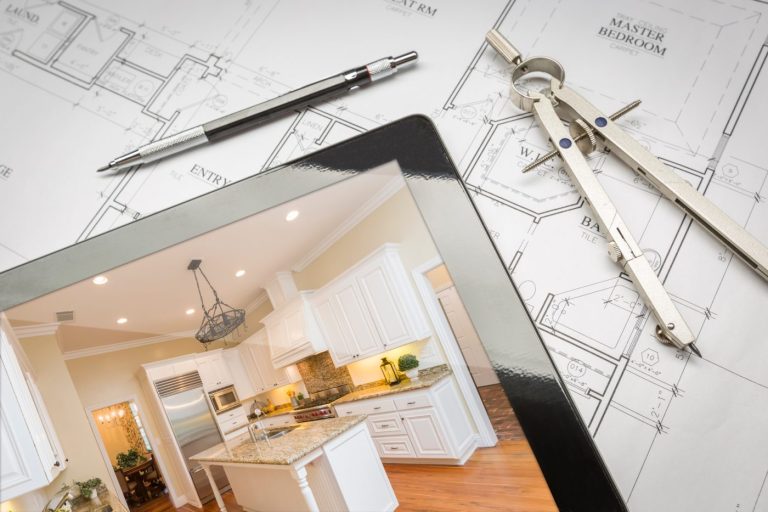
Effective renovations start with clear planning. Define your objectives – modernizing outdated spaces, improving functionality, or increasing property value – and establish a realistic budget and timeline. These home renovation steps provide structure and help avoid costly delays.
Next, determine whether the project is a DIY effort or requires professional contractors. While DIY can save money, tasks like electrical work, plumbing, or structural modifications should always be handled by licensed professionals who understand local codes and regulations.
Your home renovation process is also influenced by location. Zoning laws, permits, and regional construction standards can affect design choices and project timelines. Accounting for these factors early ensures a smooth, compliant renovation with lasting results.
The Complete Home Renovation Checklist
A thorough home renovation checklist is essential for keeping a project organized. Begin by assessing your home’s current condition – identifying structural issues, outdated systems, and areas needing attention. This evaluation guides priorities and resource allocation.
Next, finalize your budget, factoring in materials, labor, permits, inspections, and a contingency fund for unexpected costs. Hiring reliable contractors is critical – choose specialists experienced in the specific work your renovation requires.
Material selection is another vital step. Opt for high-quality finishes and fixtures that are durable, aesthetically appealing, and compliant with industry standards. Finally, plan your work phases strategically. Breaking the project into manageable home renovation steps – from demolition to finishing – keeps operations organized, minimizes downtime, and maintains quality control.
Step-by-Step Home Renovation Process
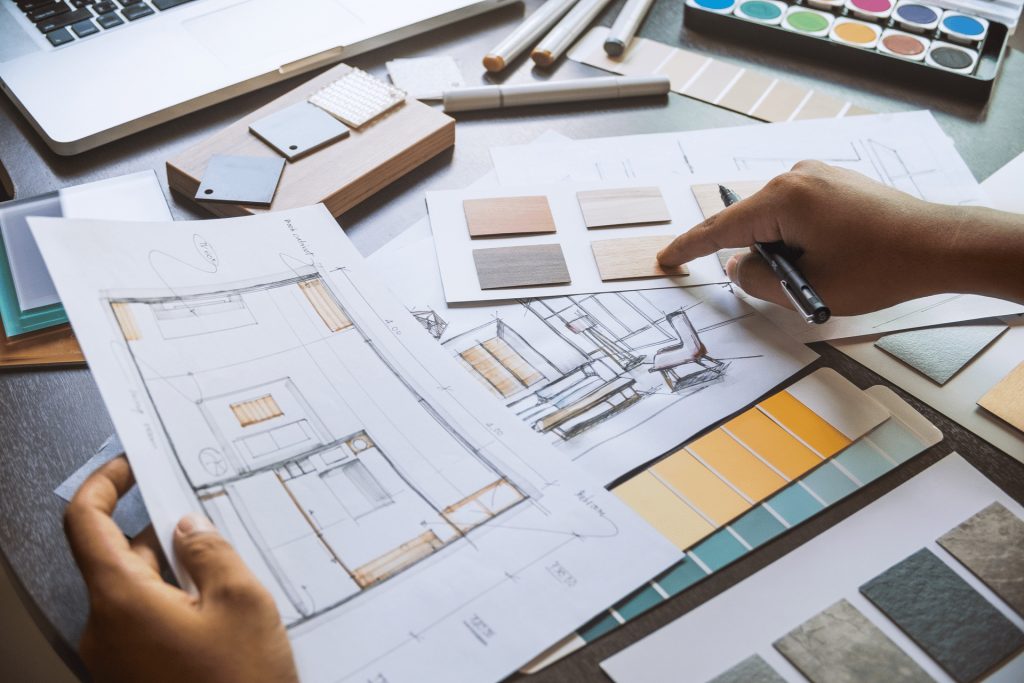
A structured home renovation process ensures safety, efficiency, and long-lasting results.
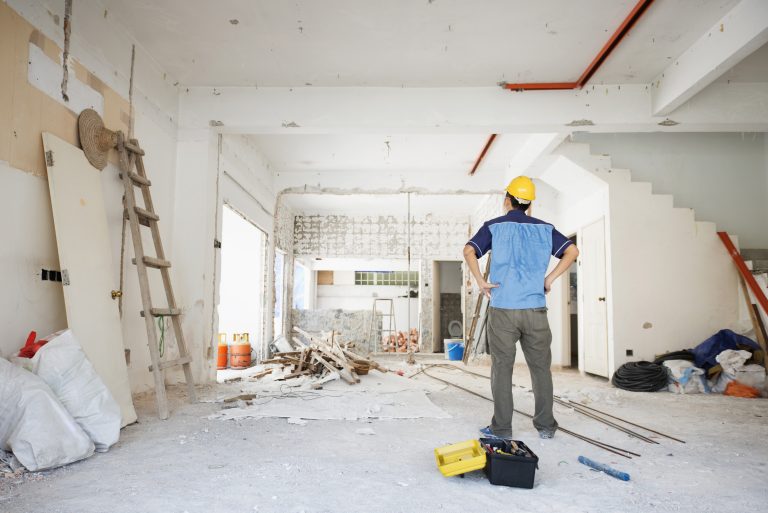
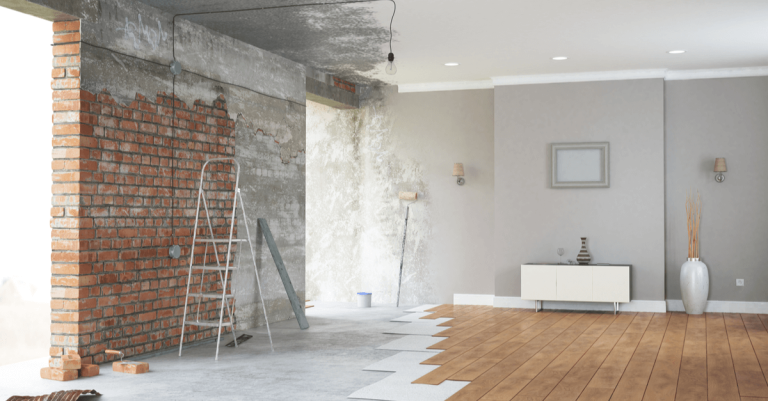
- Preparation & Demolition – Safely remove old structures, finishes, and debris while protecting unaffected areas.
- Structural Work – Reinforce walls, repair foundations, or replace roofing to meet building codes.
- Systems Installation – Upgrade plumbing, electrical, and HVAC systems following strict safety and performance standards.
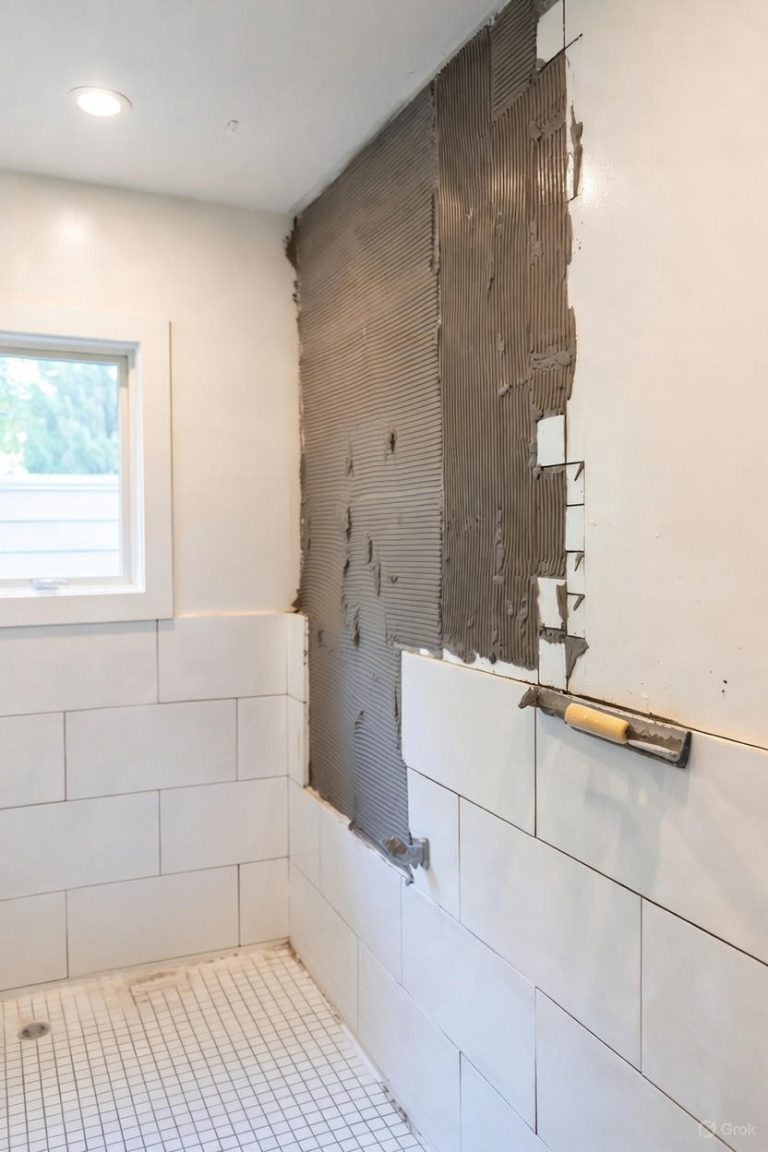
- Interior Work – Install flooring, paint walls, add cabinetry, and complete trim work.
- Finishing Touches – Add fixtures, hardware, décor, and landscaping to bring your vision to life.
Following these home renovation steps in sequence avoids costly rework, ensures structural integrity, and delivers professional-grade results.
Essential House Renovation Tips
When deciding how to renovate a house, focus on long-term quality without overspending. Invest in durable, timeless materials rather than chasing short-lived trends. This approach preserves style and value while reducing future maintenance needs.
Identify areas where savings are possible – repurposing structural elements or purchasing materials during sales can reduce costs without compromising quality. Avoid common mistakes such as rushing design choices, neglecting permits, or underestimating project timelines.
With careful planning, precise measurements, reliable contractors, and a clear vision, your renovation can be completed efficiently, on budget, and with results that last.
Managing Time and Budget During a Full Renovation
Time and money management are crucial for a full home renovation. Establish a realistic schedule, allowing buffers for inspections, material deliveries, and unforeseen delays. Maintain open communication with contractors to ensure each stage of the home renovation process stays on track.
Track expenses meticulously using spreadsheets or project management tools. This enables early detection of overruns and corrective action before issues escalate.
Unexpected costs – such as hidden structural damage or rising material prices – can arise. A contingency fund of 10-15% of your budget helps handle surprises without compromising quality or delaying the project.
Final Walkthrough & Post-Renovation Care
Once your renovation is complete, conduct a detailed final walkthrough. Inspect every component – from structural work and systems to finishes and fixtures – to ensure they meet your expectations.
Verify warranties, guarantees, and follow up with contractors for any touch-ups or adjustments. Proper documentation protects your investment and ensures accountability.
Regular maintenance is key to preserving value and longevity. Establish cleaning routines, inspect critical systems, and schedule professional check-ups. Following these home renovation steps ensures your newly renovated home remains safe, functional, and beautiful for years.
A successful full home renovation relies on planning, clear goals, and a structured approach. Using a comprehensive home renovation checklist and following each phase of the home renovation process minimizes risks, prevents mistakes, and ensures high-quality outcomes.Whether your project is a small remodel or a complete transformation, a methodical, expert-guided approach gives confidence and peace of mind. Start your renovation journey equipped with knowledge and professional support, and turn your dream home into reality.